

There are thousands of striking projects in the restaurant business. Almost anyone, even outside HoReCa, can name a dozen that made the news: a unique concept, an unusual interior, a catchy name. Grabbing attention isn't that hard. But a bright flash doesn't mean playing the long game well. The numbers are harsh: statistically, half of new venues close in their first year, and 80% of the "survivors" shut down within five years. You can't build a successful business on a good location, loud hype or even the finest cuisine alone. To survive, make steady money and grow, a restaurant needs marketing. In this article we look at how restaurant marketing works and how to bring guests in.
First, let's define successful marketing. Ideally, a venue has a steady flow of new customers and a solid base of regulars. Getting there takes investment in marketing: attracting an audience, turning occasional guests into regulars, growing the average check. Restaurant marketing needs a strategic approach and work on several fronts at once:
These tasks can be handled by a team of specialists or by a single marketer, in-house or via an agency, depending on the business's needs and means.
Today restaurants most often use the following marketing activities:
Clear positioning and stronger brand awareness are a marketer's first and most important job. It's not a one-off task but a long process whose results show only after months or even years. The marketer needs to highlight the venue's strengths, find its unique tone of voice and work on branding.
First of all, this means map services: Yandex Maps, 2GIS, Google Maps. They are popular places to search for restaurants. Owners can post all key information there: hours, menu, photos, and collect reviews. TripAdvisor and Zoon work the same way. The marketer should keep the information up to date and add incentive offers.
Other people's opinions are one of the key factors in consumer choice today. More than half of people read online reviews before visiting a restaurant. That's why a marketing strategy must include watching review sites and social media, responding to comments quickly, defusing negativity and encouraging loyal guests to leave positive public feedback.
Social media is a convenient way to stay in touch with your audience, talk about the business and its values and bring guests in. But a content plan and posts alone aren't enough. For SMM to work, you need to study your audience's interests, follow trends, partner with influencers and buy ads from bloggers.
Collaborations and joint promotions are a way to share audiences with another brand and introduce yourself to potential guests. Good partners for restaurants include gyms, farms, cinemas, museums, hotels and beauty salons. The format can be anything from mutual discounts to joint events or special menus.
A restaurant can announce menu updates, invite guests to events or simply remind them about itself with newsletters. Guests prefer different channels, so you'll need several: SMS, email, Telegram, WhatsApp, push notifications in the restaurant app. The last one wins on speed, cost and convenience.
Nothing sparks interest like a good deal. It can be a discount for order size, lower prices during quiet hours, day-of-the-week promotions and so on. A discount program should be built around the restaurant's concept, average check and other factors. A well-designed loyalty program ties guests to the venue: there's no reason to go elsewhere if your favorite restaurant offers discounts and other perks for regulars.
A marketer's reach shouldn't stop at online: offline activities still get a good response. These can be flyers on the street and in malls, banners, tastings, photo zones and more.
A restaurant's website is one of its main channels of communication with guests and a potential sales channel. For people to find you easily, the site must be optimized for search engines. That's a job for an SEO specialist, but the marketer still has to think about content: text, images, video. The site can also get its own promotions that drive more orders.

All these marketing activities target restaurant guests, both potential and regular. To make audience work more effective and keep marketing budgets from being wasted, you need a single customer database.
For any business, customer data is its most valuable resource, and with a skilled marketer it helps make money. A restaurant loyalty system helps you collect a digital guest base.
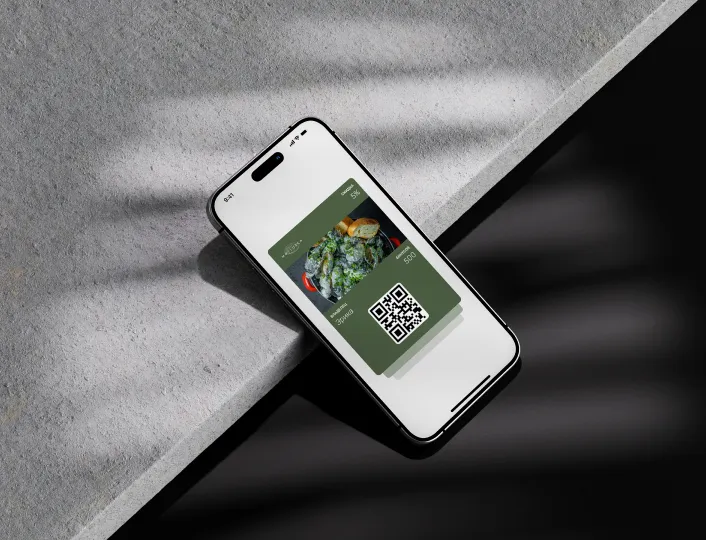
Restomania offers a solution to owners' and marketers' pain points: an app with a built-in loyalty system. Restomania includes:
What sets Restomania apart is full owner access to guest data. Nothing stops you from talking to customers directly, segmenting your audience and trying different approaches. Connecting to Restomania takes load off your marketer: they get a ready, effective loyalty tool that brings 1.5x more repeat orders.