




Success in HoReCa is closely tied to what the audience thinks of you. A restaurateur must be ready for everything to be criticized: location, interior, cuisine, service, pricing. Naturally, these opinions aren't always fair. Working with reviews has to become routine if you want to fight for a place among the best venues and not lose customers. In this article we explain how to build that process and get the most out of reviews.
Today the key platforms for feedback are geo services and review aggregators. They work a little differently:
| Geo services | Aggregators | |
| Examples | Yandex Maps, 2GIS, Google Maps | IRecommend, Tripadvisor, Zoon |
| Features |
|
|
Geo services offer more features, which makes them a more attractive tool for business.
Why should a business monitor reviews at all? It's a big task that takes resources, so you need to know what it's for.
Reviews of your restaurant are word of mouth turned up to the max, with global reach. Here's the analogy: an ordinary person's opinion shared in private or even on their own social page rarely reaches a wide audience, unless they're an influencer. But praise or criticism posted on maps or a review site is a fact available to thousands of people.
Online ratings have long been almost the main factor in choosing a place. People go to a new venue because someone recommended it, and the difference between a close friend's advice and a stranger's online has long disappeared. It works the other way too: even one negative rating online can create a bad impression of a restaurant, especially if the owners didn't respond.
Another likely scenario: a potential guest browses the map looking for a place for dinner and compares venues. Geo services sort by rating and show photos and, of course, reviews, and the decision is made on all of that. Unanswered negativity won't earn your venue any points.
Unpleasant but true: criticism can be constructive. How else can an owner or manager see the business from the inside? Negative reviews reveal problems in internal processes and point to areas for growth.
So a restaurant needs to work with reviews to:

Geo services run on algorithms, and understanding them helps get a restaurant to the top of the ratings and attract more guests. Search ranking depends not only on the number of reviews but on their quality: detailed comments beat short ones. A restaurant should fill in its map profile in detail and keep it current. For good indexing (and for potential guests' comfort, of course) list your hours, payment methods, features, average check, delivery and pickup. The more often you update your data, the better: upload fresh interior and exterior photos and don't forget seasonal promotions. Any profile activity is a plus and a chance to outrank competitors, so you need to reply to ALL reviews. Answer negativity constructively and look into the situation; thank people for praise. Being open to dialogue and even admitting mistakes attracts an audience and builds brand loyalty.
If you've ever read or written reviews, you may have noticed some suspiciously perfect, polished ones. Most likely your intuition was right and they were paid reviews. Platforms fight this in different ways: manual moderation, limits on posts from unverified users, or flagging such reviews as dubious. If you were thinking of using this for your venue, better not: you can collect feedback without gray schemes. The worst thing for an owner is paid negativity. Unfair competition exists, so it's important to know how to spot it.
Signs of paid reviews:
If you suspect a scatter of one-star ratings and empty accusations are the work of ill-wishers, you can try to appeal them through the platform's administration.
Replying to positive comments is easy and pleasant, but handling negativity is much harder. How to do it is up to you; we'll look at how you definitely shouldn't reply.
Ideally you have your own tone of voice: a clear set of rules for all company communications. It defines the vocabulary and mood of replies on behalf of the venue. You can be relaxed or more formal, address guests casually or politely, and so on.
Reputation is built bit by bit, and one rude reply online can ruin the impression of a restaurant. Remember, your reply will be seen not only by the reviewer but by thousands of other people.
Surveys show most people expect a brand to respond within three days to a week, and even faster if the issue is urgent. Guests don't write out of boredom; they have something to share. A business's job is to respond quickly.
Nothing is worse than identical canned replies from a company; it looks disrespectful even under positive reviews, let alone negative ones. If you're playing the long game, assign someone who will take the time to handle each case.
Replies to positive reviews are a good chance for native promotion. Thank the guest for their time and high rating and invite them back, for example by mentioning an upcoming promotion.
Ideally, a reply to a guest's review is timely, sincere and human. That takes work on the restaurant's tone of voice and assigning someone responsible.
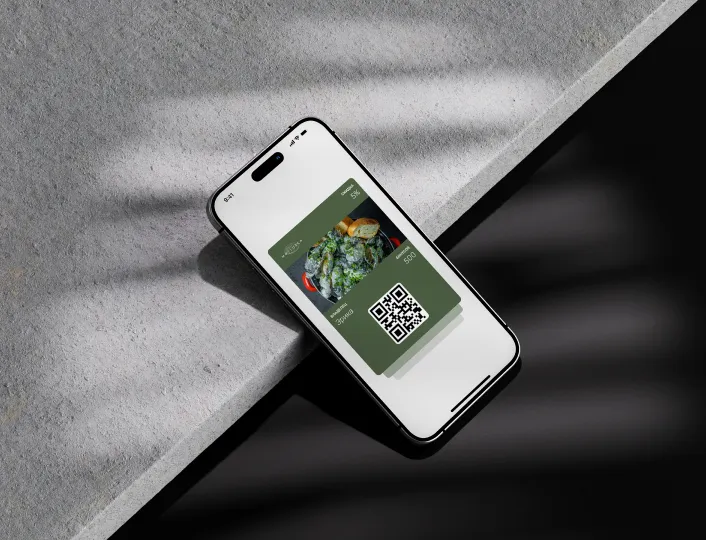
There's one more channel for customer reviews: the restaurant's own app. There a customer can rate a visit or a delivered order and leave comments. Communication happens directly between guest and restaurant, without a geo service or another platform in between, which makes these reviews more valuable for the business. If a review is negative, the restaurant can quickly look into it and settle the conflict before the customer posts it elsewhere.
The Restomania team will help you launch your own restaurant app to work with customer reviews directly and collect rating and customer stats for deeper analysis of guest feedback.